Why we exist

People

Numbers count children. They can't tell you about any one of them.

This page is about the one in front of us: a particular child, with their own interests and their own family.

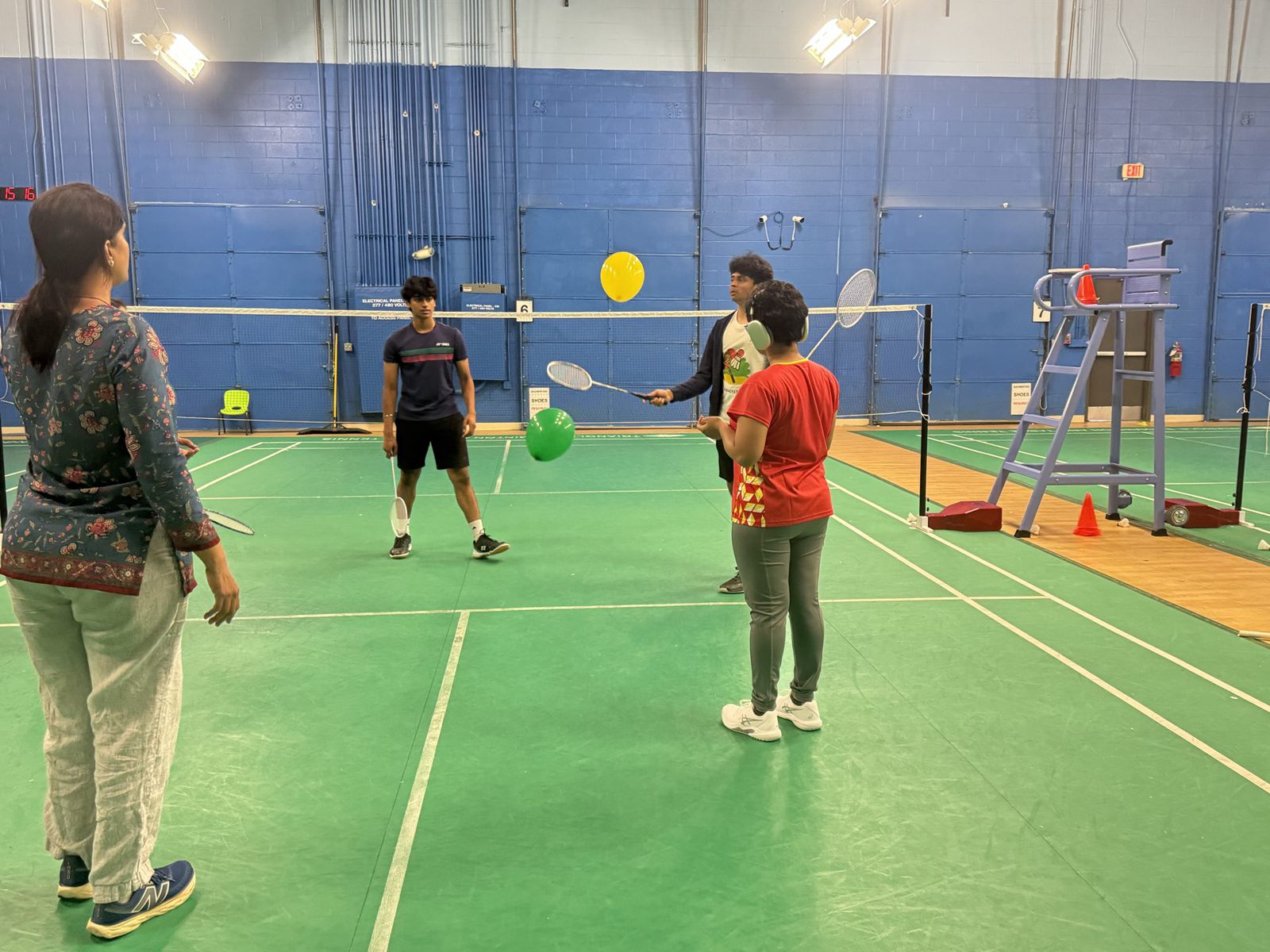
Players tap balloons back and forth with rackets while a parent watches from the side of the court.
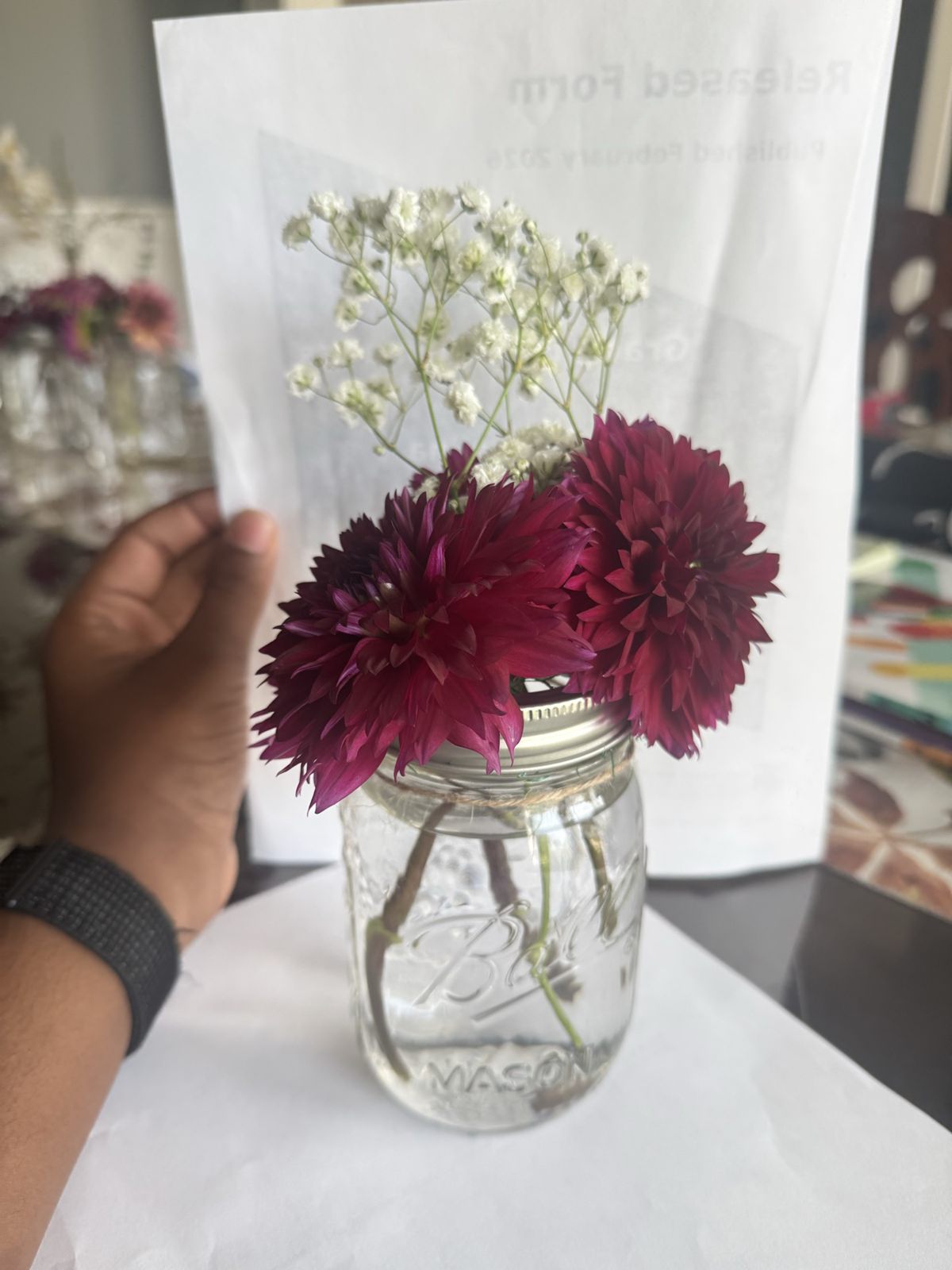
A hand steadies a mason jar holding deep red dahlias and baby's breath.

No two alike

Children with Autism Spectrum Disorder (ASD) are as different from each other as any other children are.

  • One child might talk for an hour about how a flower is put together, and find it hard to say hello to a stranger.

  • Another might take a few weeks to warm up to a new group, then never want to miss a session.

  • A third might find a crowded room too loud, yet sit with a line of code until it works.

So we start with the person

No two neurodivergent children need the same thing. Before we ask what a child should learn, we ask three questions.

  1. What they enjoy

    That's where a program begins. It's the reason a child shows up the second time.

  2. What they find hard

    Noise, crowds, new faces, waiting a turn. We plan around it instead of pretending it isn't there.

  3. What they'd like to be able to do

    Serve over the net. Sell a bouquet. Make the code run. A goal that belongs to them.

Small wins, kept

What a child with ASD takes home from a program is often small and specific.

Those moments add up. Each one is proof, to a neurodivergent child and to everyone watching, that “I can do this” is true.

  • A first rally over the net.
  • A bouquet a stranger paid for.
  • A few lines of code that finally run.
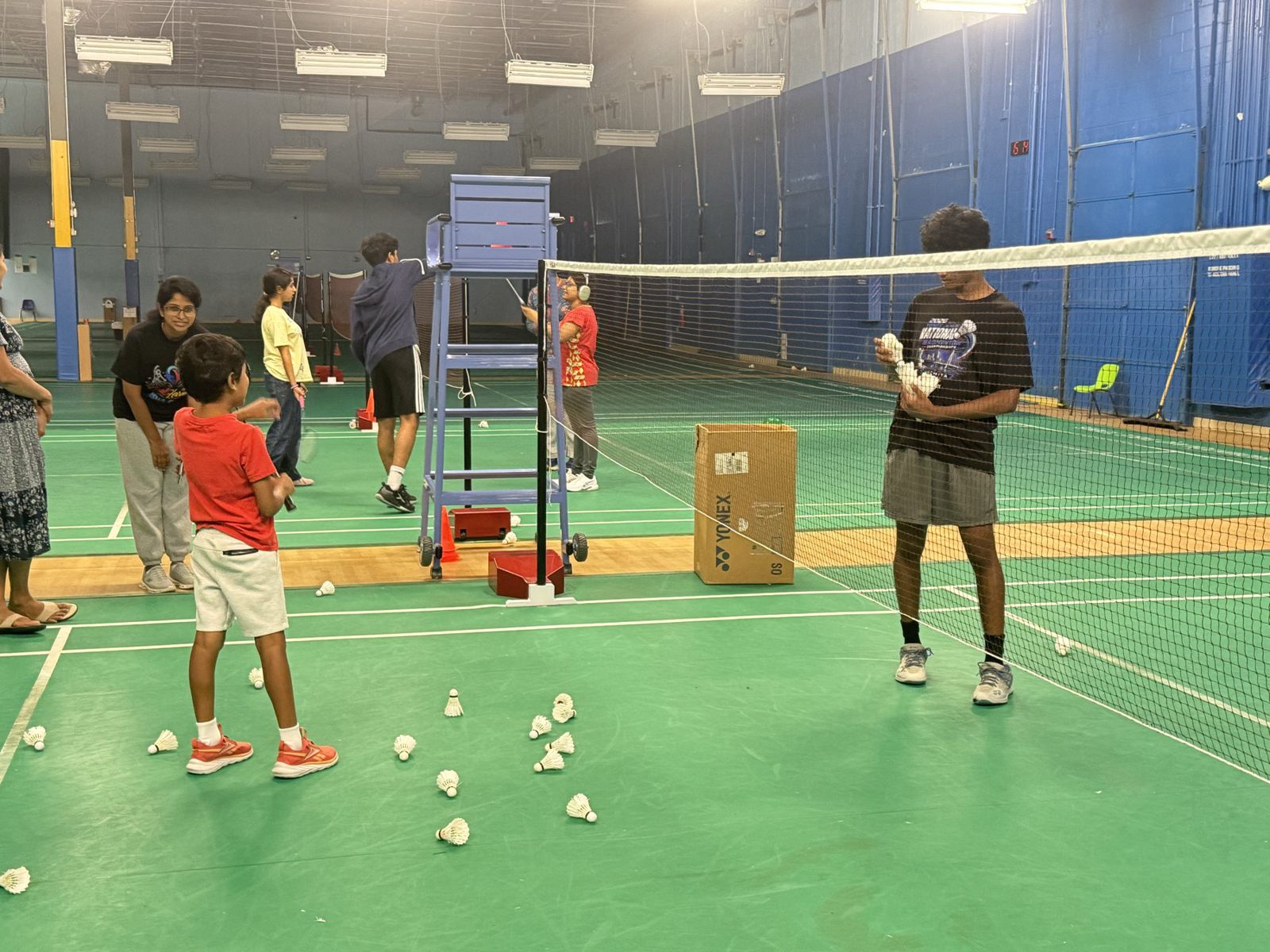
A young player in a red shirt stands among scattered shuttlecocks as a volunteer coach looks on.

The family behind each child

Behind every child with ASD is a family. Many parents have spent years looking for a place where their child is welcome as they are. Brothers and sisters have grown up helping.

When a neurodivergent child has somewhere to go and something to look forward to, the whole family gets some of that back.

If you're a teen reading thisCome as you are.

Most of this page is written for parents. This part is for you. You don't have to be good at something to try it here, and you don't have to act like anyone else.

Want to try a program? Ask a parent to sign you up, or text us yourself at (858) 610-9661.

Where to next

  • See what we run

    Badminton, flowers, and soon coding, violin, and a Buddy Program.

  • The bigger picture

    About 1 in 31 children in the United States has been identified with ASD.

  • Sign up

    Tell us about your child. We'll help you choose a program that fits.